 en
en



Environmental Dimension
Renewable and high‑efficiency energy sources
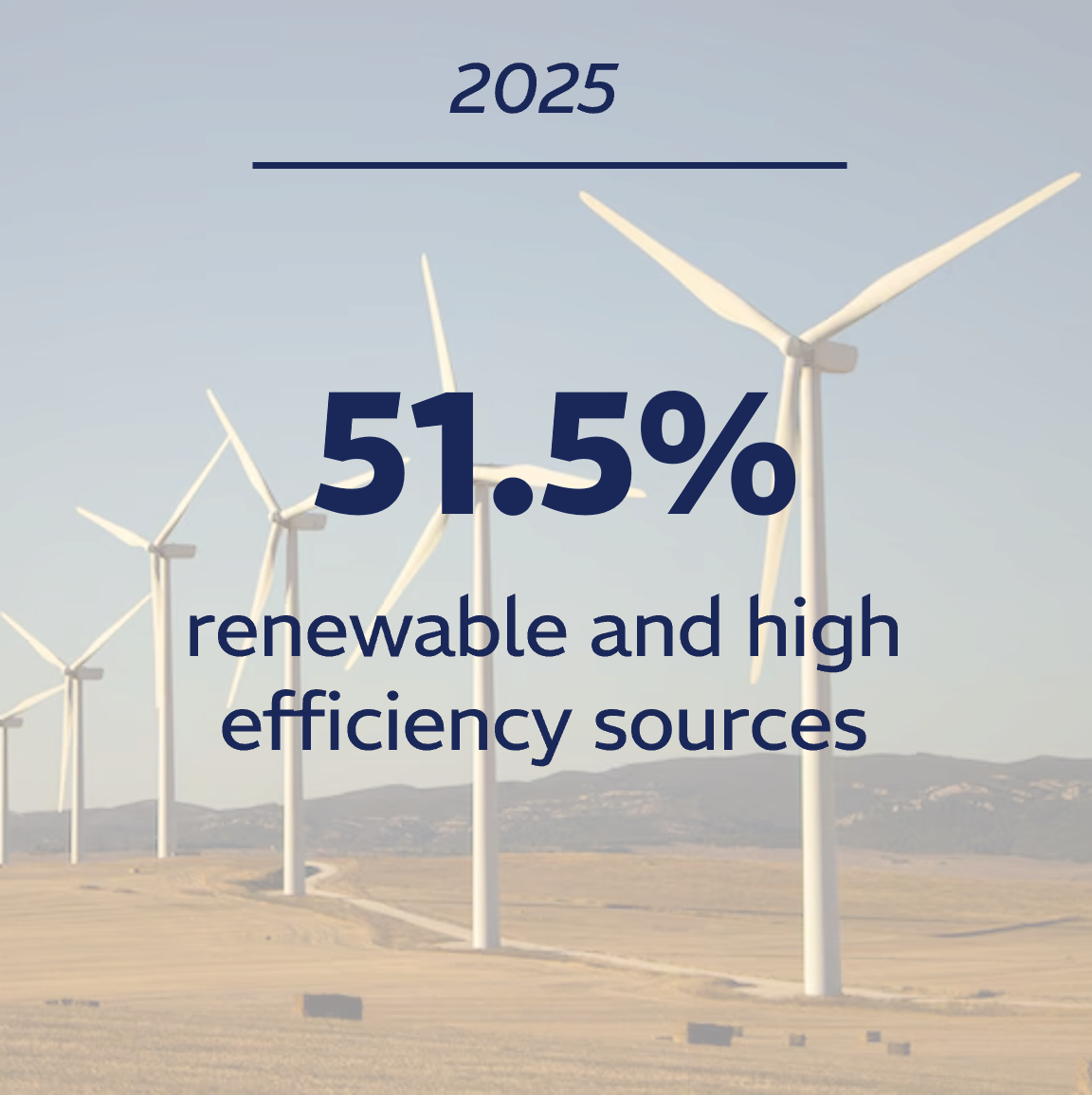
In 2025, Prometeon Tyre Group took a further step in its energy transition journey, with renewable and high‑efficiency sources accounting for 51.5% of total energy consumption. Of this, 31.3% derived from certified green electricity and biomass, while 20.2% came from high‑efficiency solutions such as cogeneration plants and gas‑turbine heat recovery systems. In the same year, electricity used at the Milan headquarters and the Cinisello Balsamo R&D Center was fully covered by renewable energy certificates and partially self‑generated thanks to a new 116 kWp photovoltaic system, helping to reduce the environmental impact of the Group’s operations.
Emissions reduction
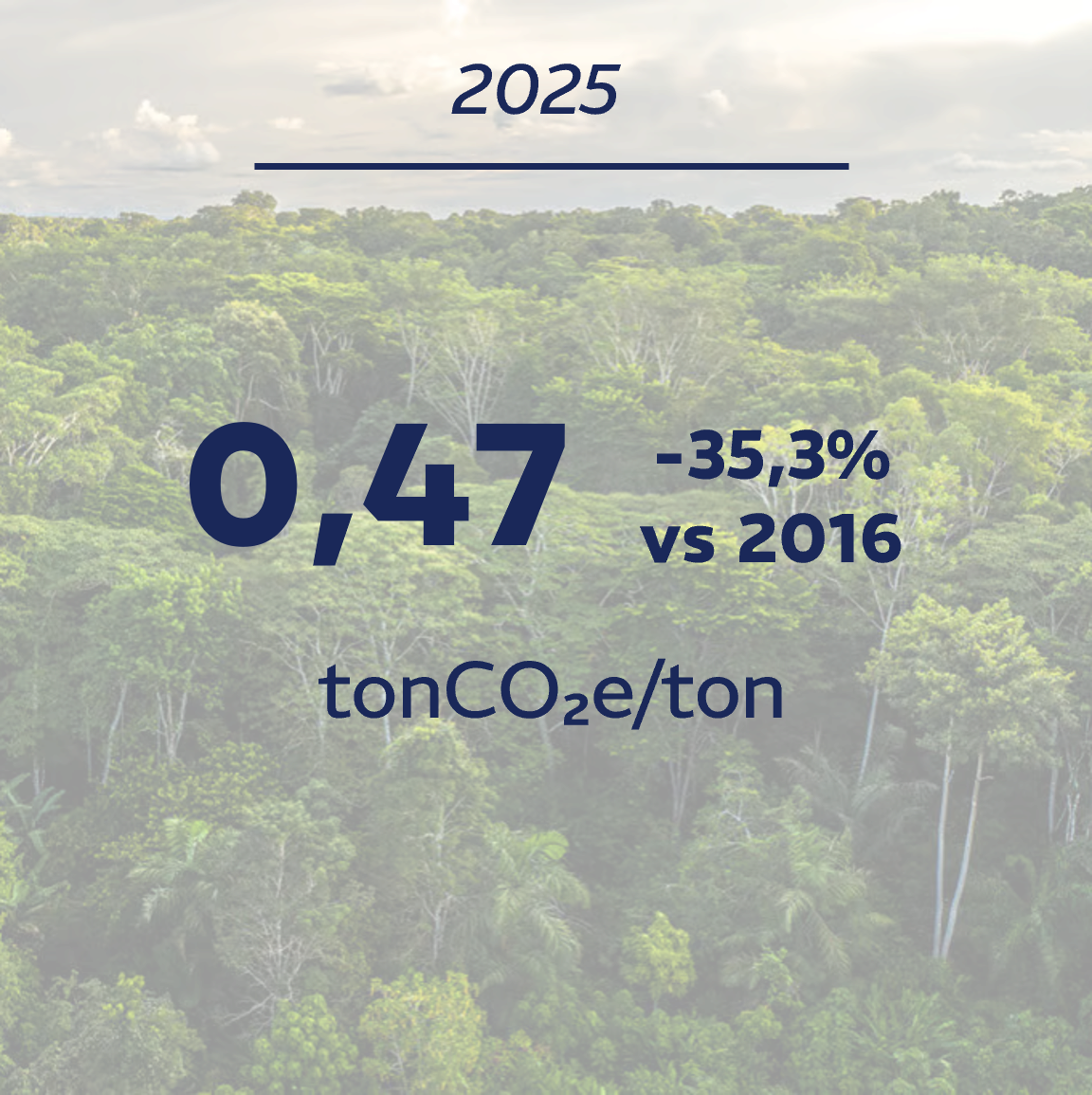
As early as 2016, Prometeon Tyre Group defined greenhouse gas emissions reduction targets to support its decarbonization pathway. Specifically, the Group set a target for 2025 of an emissions intensity of 0.55 tons of CO₂e per ton of product, a goal that was not only achieved but exceeded, reaching 0.47 tons of CO₂e per ton. The Prometeon plant in Gravataí is carbon neutral for Scope 1 and 2 emissions thanks to the use of green electricity certificates and a biomass boiler for process steam production, with only marginal residual emissions. This result reflects the effectiveness of actions related to renewable energy procurement, energy efficiency, and innovation in production processes.
ISCC Plus and material circularity
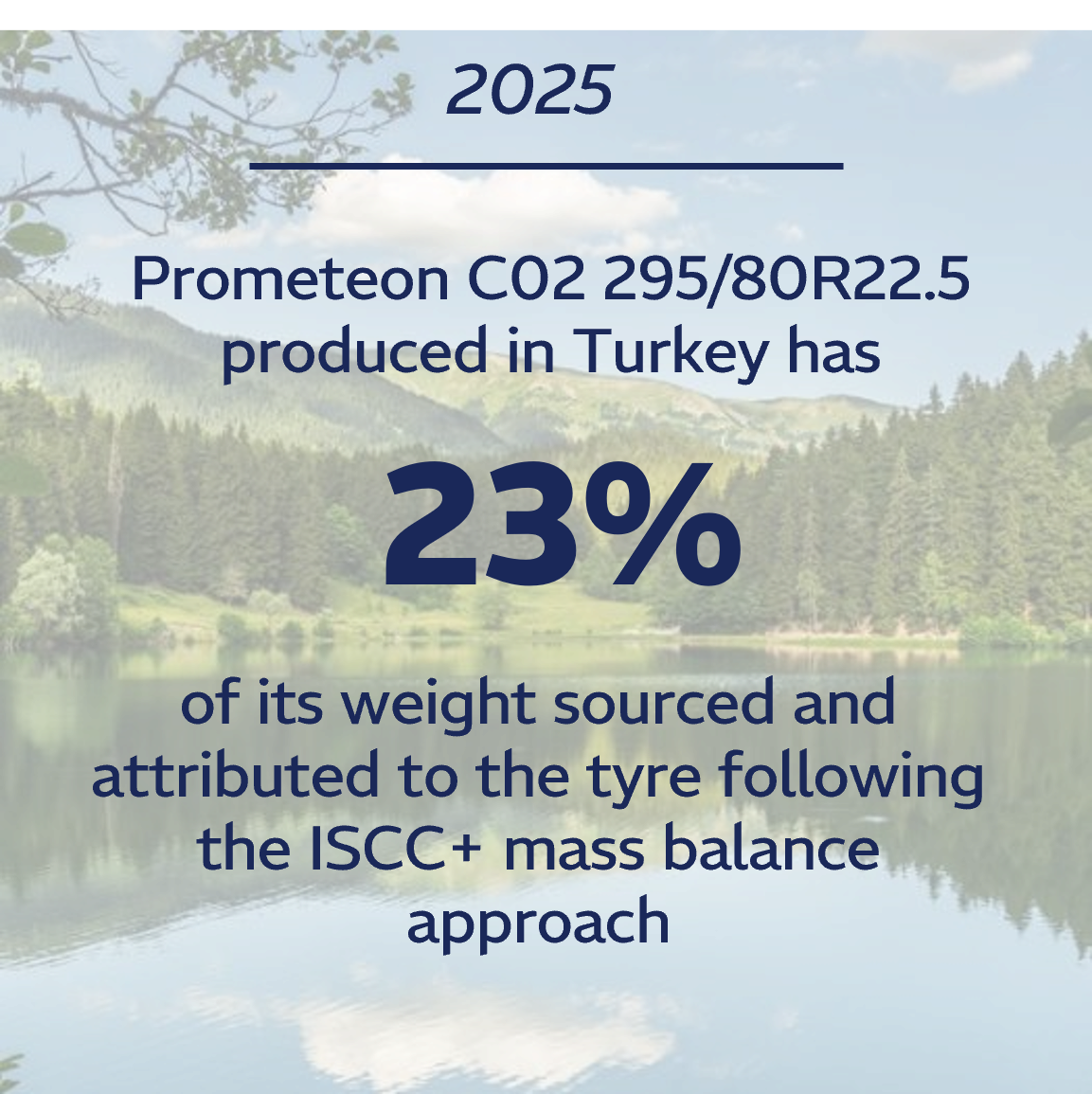
Prometeon integrates circularity principles into material development, adopting solutions that improve the traceability and sustainability of raw materials used in its production processes. In this journey, ISCC Plus certification represents a key reference, enabling the circular origin of materials to be demonstrated through the mass balance approach. Starting in 2024, the Turkish plant began sourcing ISCC Plus‑certified bio‑circular silica and circular carbon black, contributing to a progressive increase in recycled materials used in production. From 2025 onwards, every Prometeon Coach C02 size 295/80R22.5 tire produced at the Turkish plant includes a share equal to 23% of its weight attributed under the ISCC Plus mass balance model, confirming the Group’s commitment to increasingly circular‑economy‑oriented solutions.
Let's talk
Whistleblowing
Prometeon has a confidential and multilingual digital platform allowing employees, customers, suppliers and other external stakeholders to raise concerns they may have about unethical, inappropriate or illegal behaviour. All concerns raised are properly assessed and investigated by the functions duly identified within the company.
Discover More reading our Whistleblowing Operating Procedure


